
How a Printable Business Actually Grows
Stop guessing what to make—build a searchable solution library that compounds.
A lot of people get pulled into printables with the same promise: make a file, upload it, and let “passive income” do the rest.
And to be fair—printables can be a great model. Low overhead, instant delivery, no shipping.
But the reason so many printable shops stall isn’t because the model is dead. It’s usually because the business gets built in the wrong order: design first, demand second.
If you’ve tried this already (made listings, got a couple sales, then watched things go quiet), you’re not lazy—and you’re not “too late.” You were just missing a few load-bearing pieces.
The Printable Business Reality Check (read this first)
People don’t buy “printables.” They buy solutions (less stress, more order, calmer kids, etc.).
Printables aren’t passive income—they’re a digital product business with marketing and positioning.
Saturation mostly filters out generic listings. Specific, outcome-driven products still win.
The shops that last build a searchable solution library (a catalog that stacks and feeds itself).
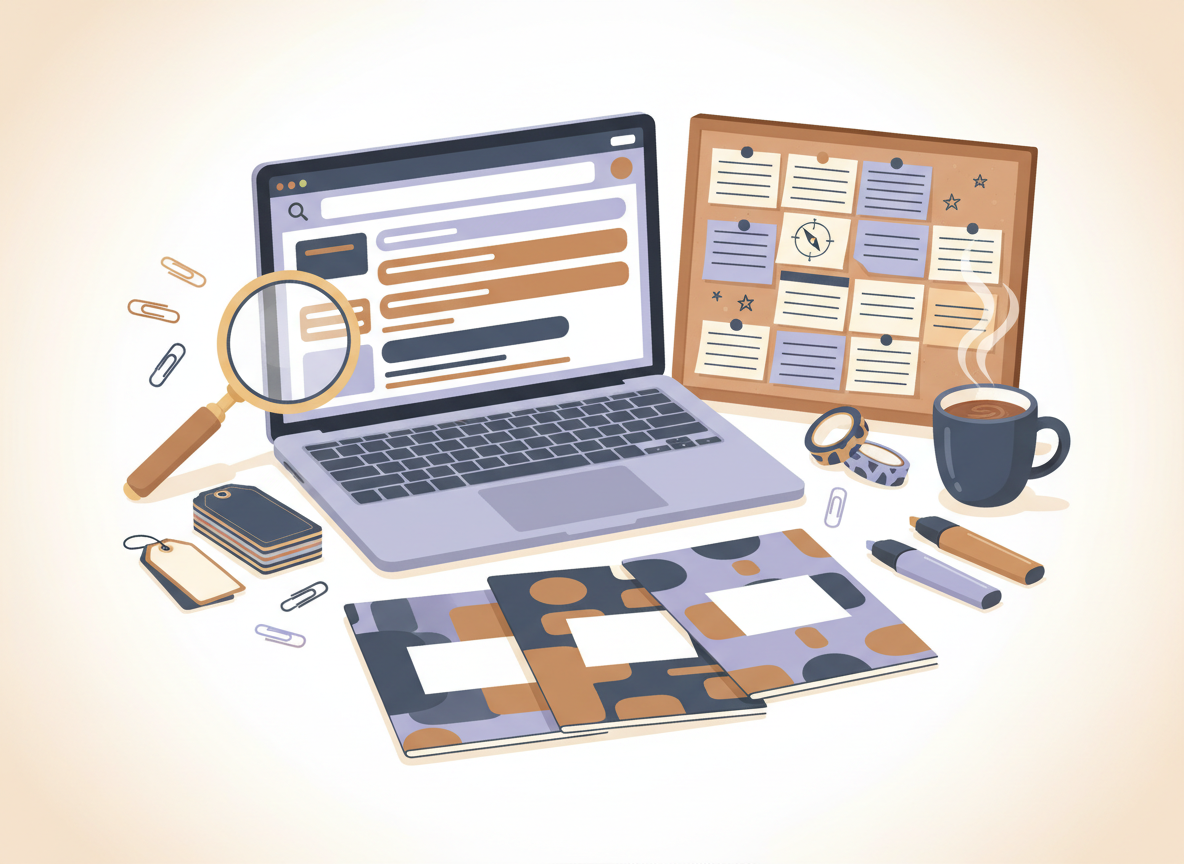
Bedrock Fact #1: People don’t buy printables because they’re printable
Nobody wakes up excited because a PDF exists. They buy because something in their life feels annoying, stressful, urgent, or unfinished—and they want relief.
That “need” can look like:
- “I need my kids busy for 30 minutes.”
- “I need to organize my budget without overthinking it.”
- “I want wall art that looks good without spending $40.”
- “I need homeschool worksheets for this week.”
- “I want anxiety relief through coloring.”
- “I need a party game tonight.”
The file is just the delivery method. The real product is the solved problem.
This matters because most sellers build from design first (“What should I make?”). But customers buy from need first (“What will fix this?”).
A cute rainbow planner that solves nothing is decoration. A planner that helps an overwhelmed parent keep appointments, bills, meals, and school papers from exploding is utility.
So the first question usually isn’t “What should I make?” It’s:
What recurring frustration can I solve cheaply and clearly?
h3 subsection
Bedrock Fact #2: This is a business model, not an art project
Printables are attractive because you can create once and sell repeatedly. That part is real.
But low overhead doesn’t guarantee profit—it just means you can test ideas without burning money on inventory.
A printable shop becomes a business when you treat it like one:
- Product research
- Positioning
- Listing optimization
- Traffic generation
- Conversion design
- Catalog building
Design still matters. It’s just not the starting line.
Bedrock Fact #3: “Saturation” usually means “generic”
When people say “Etsy is saturated,” what they often mean is: basic, copycat listings are crowded.
That’s true. But it’s not the same as “there’s no room.”
Specific products still win because they’re easier to understand, easier to search for, and easier to choose.
Instead of selling:
- “planner pages” → ADHD-friendly mom command center printables
- “kids coloring sheets” → calm-down coloring pack for sensory overload
- “budget worksheet” → paycheck-to-paycheck emergency money binder
The goal is to be the clear answer to a clear problem.
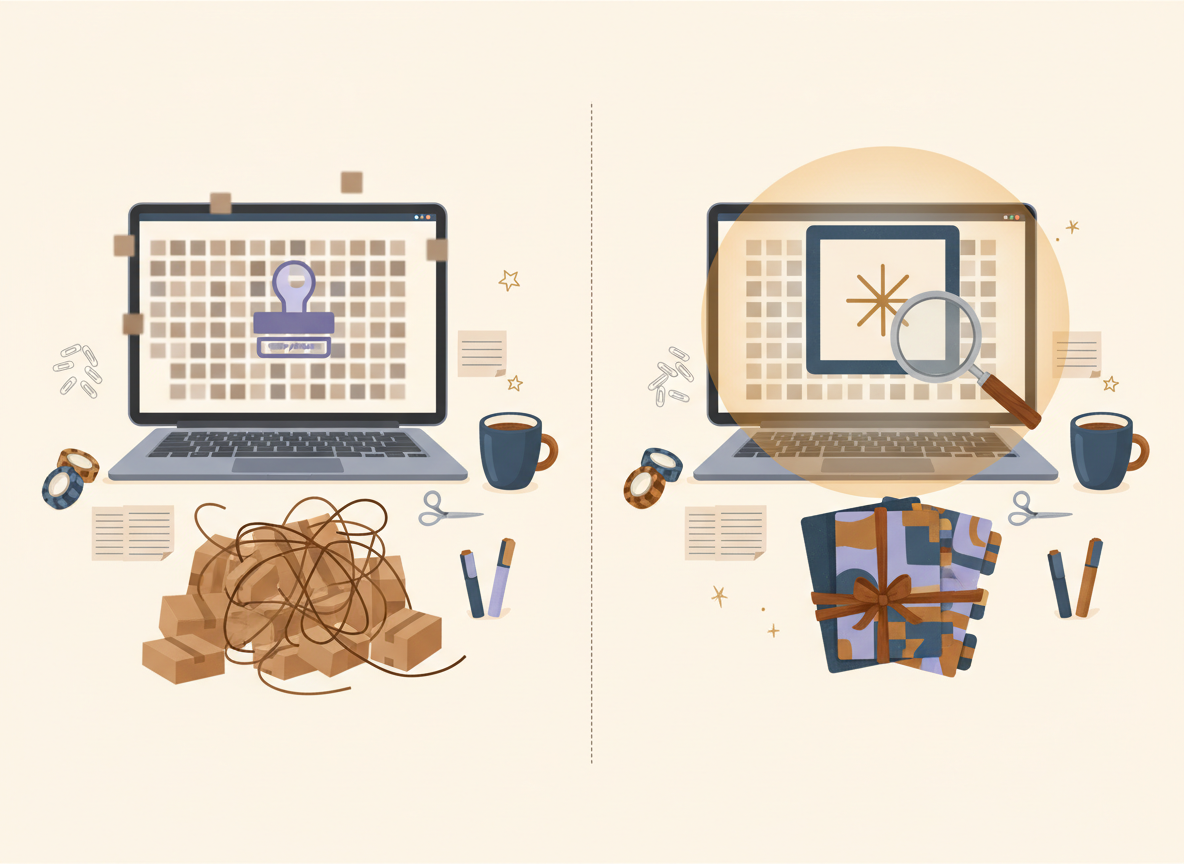
Bedrock Fact #4: Great products don’t sell if nobody sees them
A lot of shops don’t fail because the product is bad. They fail because the product never gets discovered.
Digital shelves are crowded. Visibility is part of the job:
- Keywords
- Titles
- Thumbnails
- First impression copy
Quality keeps customers. Discoverability brings them in.
Bedrock Fact #5: One printable rarely builds a business
Most real shops grow through product ecosystems, not one viral hit.
One customer buys a homeschool worksheet, then needs reading logs, chore charts, lesson planners, behavior trackers, and games.
That’s how you build lifetime value: trust + related products + a catalog that stacks.
Bedrock Fact #6: Sell outcomes, not documents
Customers don’t really want a worksheet or a tracker. They want what life feels like after they use it:
- less chaos
- less stress
- better routines
- calmer kids
- faster decisions
The PDF is the format. The outcome is the offer.
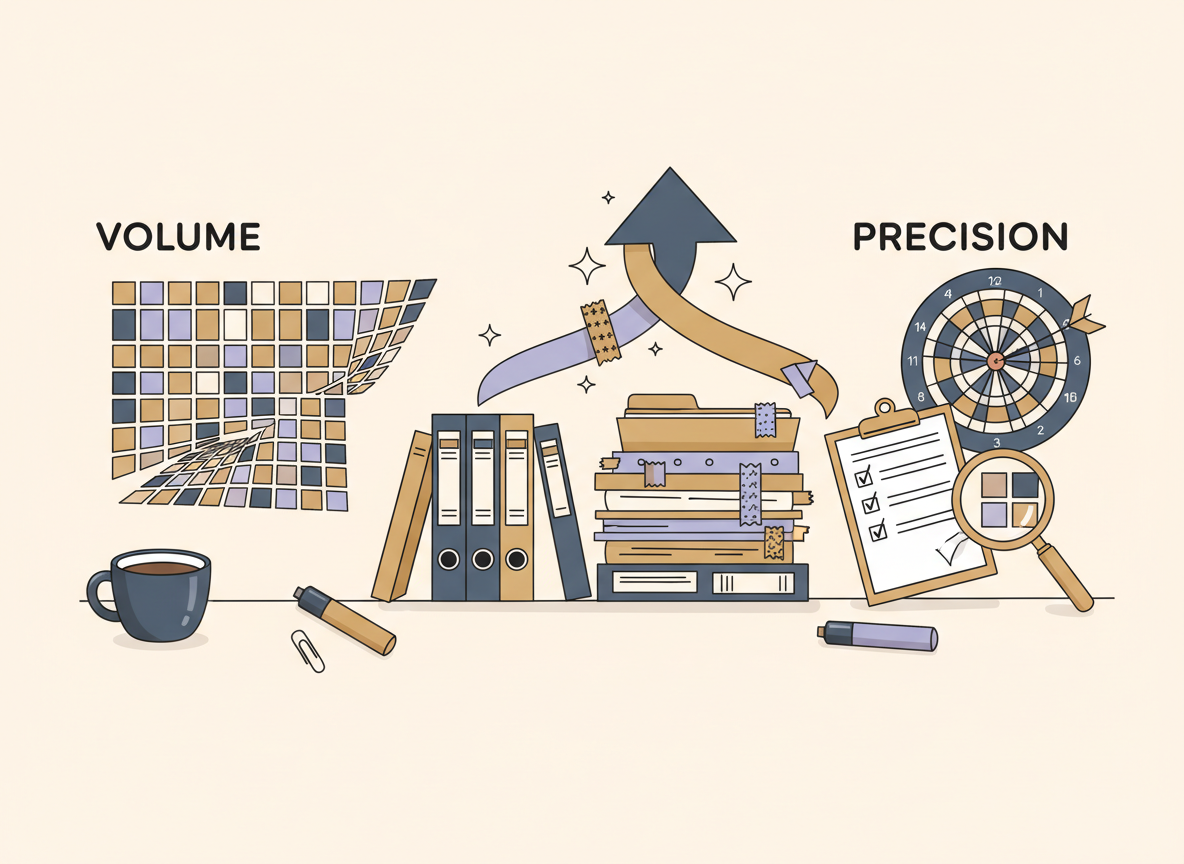
Bedrock Fact #7: The formula is volume + precision
Printables can make real money because digital assets can be duplicated endlessly after creation.
But the advantage only pays off when two things happen together:
- Volume: enough quality listings to earn search reach
- Precision: targeted products for targeted needs
A simple way to think about it:
Large catalog + sharp niche understanding + search visibility + outcome-focused marketing
Builder Note: The Bedrock System (save this)
If you only remember one thing from this post, make it this:
- Pick a real problem (not a “cute idea”)
- Build a small solution bundle (1–3 products that solve it end-to-end)
- Write listings for outcomes (what changes for the buyer)
- Get discovered (keywords + thumbnails + clear titles)
- Stack the catalog (related products that naturally follow)
You don’t need 200 listings to start.
You need one clear buyer, one clear problem, and a repeatable way to publish solutions.
Frequently Asked Questions
Join the Weekly Build Drops
The question that decides everything is:
Am I building a searchable solution library that people need badly enough to buy?
If you want help building that step-by-step—without fluff—I share what I’m doing in real time (what I’m building, what I’m publishing, what’s working, what’s not).
Join Weekly Build Drops and I’ll send you the next steps each week.